Fresh, Dried or Frozen Herbs: Match the Form to the Moment
Fresh, dried or frozen herbs each suit different moments. Choose the right form for finishing, simmering and weekday cooking with less waste and better flavor.
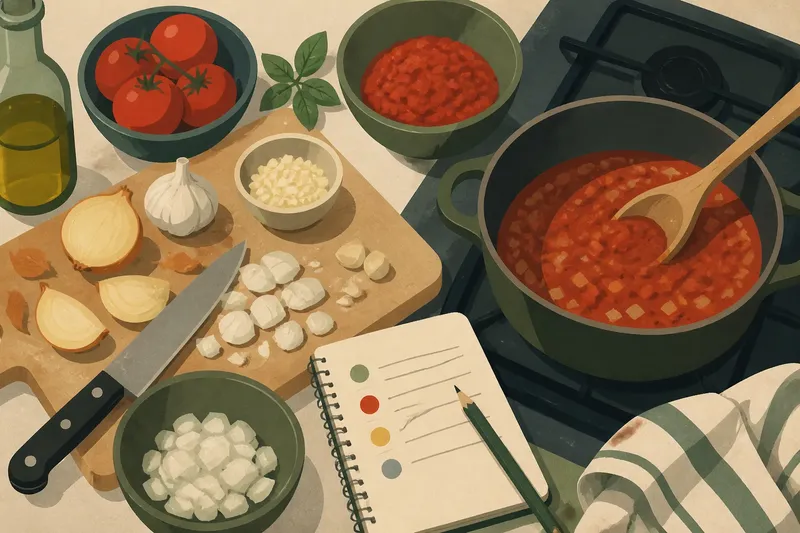
You have a pot of tomato sauce bubbling, a bunch of parsley on the counter, and a jar of oregano in the cupboard. Fresh, dried or frozen herbs can all season dinner, but they bring different textures, aromas and conveniences. Match the form to the moment, and you can make a dish taste more intentional without treating any one option as the “right” one.
Fresh herbs bring aroma and texture to the finish
Fresh herbs are usually at their best when their color, fragrance or delicate leaves can be noticed. A handful of chopped parsley over beans, torn basil on a bowl of pasta, or dill folded into yogurt adds a lively, green note that dried leaves cannot imitate. The leaves also contribute texture, which matters in salads, sandwiches and other dishes served without a long cooking time.
Some fresh herbs are tender and fragrant: basil, cilantro, parsley, dill, mint and chives. They tend to lose their bright character with prolonged heat, so add them near the end of cooking or use them raw. Sturdy herbs such as rosemary, thyme and sage can tolerate a longer simmer, though their fresh flavor still differs from the more concentrated taste of their dried counterparts.
Fresh herbs suit cooks who enjoy a finishing touch, already have a bunch on hand, or want the herb to be recognizable in the dish. They ask for a little attention: discard wilted leaves, rinse and dry the rest, and store them in a way that fits the herb. A damp paper towel and a loosely closed container can help some bunches stay usable, while basil is often happier at room temperature than in a cold refrigerator.
Fresh herbs can also be an awkward purchase when a recipe calls for a small sprig and the shop sells a large bunch. Plan another use before buying: parsley can go into a grain salad, cilantro into a quick salsa, and dill into an egg salad. If the leaves are still sound, chop extra herbs and freeze them rather than leaving them to fade in the crisper.
Dried herbs suit long cooking and pantry cooking
Dried herbs are convenient, compact and ready whenever dinner needs a savory background note. Their flavor is more concentrated than fresh herbs, but drying changes it too: the result is often deeper, earthier or less sharply green. Oregano, thyme, rosemary, marjoram and bay leaves are familiar pantry choices for sauces, soups, braises and roasted vegetables.
Use dried herbs where time and moisture can soften them. A pinch of thyme in a lentil soup or oregano stirred into tomato sauce can blend into the dish as it cooks. For a quick skillet dinner, crush dried leaves between your fingers before adding them; this breaks them up and releases their aroma. If the herb seems dusty or has little scent when rubbed, it may no longer contribute much, so replace it when convenient.
Dried herbs are a natural fit for cooks who make a lot of soups and sauces, keep a small pantry, or want seasoning available without washing and chopping. They are also handy when a recipe calls for an herb in the background rather than as a fresh, visible garnish. A bay leaf can perfume a pot of beans, for example, then be removed before serving.
For a rough starting point, use less dried herb than fresh when substituting, then taste and adjust. A common kitchen rule is about one part dried herb for three parts fresh, but the result depends on the herb, its age and the dish. That ratio is a starting point, not a fixed conversion. Dried basil, for instance, does not reproduce the sweet, peppery lift of fresh basil on a finished plate.
Frozen herbs keep a fresh-tasting option close
Frozen herbs sit between fresh and dried in convenience, though they are not a perfect stand-in for either. Chopped herbs frozen in small portions retain much of their green flavor, but thawed leaves often turn soft and dark. That makes them better in cooked food, dressings blended smooth, or fillings than as a neat garnish.
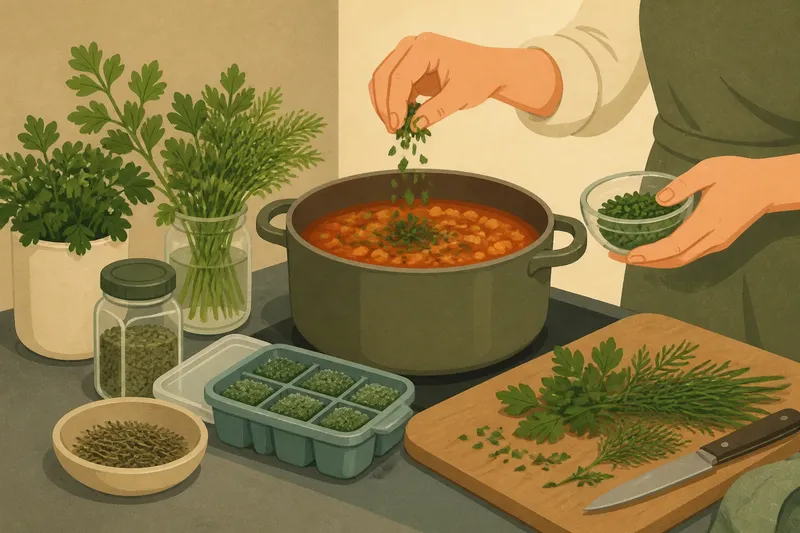
Look for plain frozen herbs or freeze your own chopped herbs in a small container or ice-cube tray. You can freeze them with a little water or oil if that suits their intended use, then transfer the portions to a sealed freezer container. Oil-packed cubes work naturally in a pan or sauce; water-packed portions can go into soups. Label the container with the herb and date so you can identify what you have and use older portions first.
Frozen herbs suit cooks who like fresh flavor but cannot use a whole bunch before it wilts, and those who want to move quickly on a weeknight. Add a portion directly to a simmering soup, pan sauce or cooked grain, then taste before adding more. Frozen herbs release moisture as they warm, so they are less useful when a recipe depends on crisp leaves or a dry surface.
Not every herb freezes equally well. Parsley, cilantro, chives and dill often work nicely in cooked dishes after freezing. Delicate basil can darken, and its texture may disappoint in a salad, but it can still season a cooked sauce. For a raw topping, fresh leaves are usually the more appealing choice.
Choose herbs by what the dish asks them to do
Instead of asking which form is best overall, ask what job the herb has. Is it supposed to perfume a simmer, brighten the last bite, or make a quick meal taste more complete? That question gives you a practical choice without requiring a perfect pantry.
- For finishing: Choose fresh parsley, cilantro, mint, dill, chives or basil when their color and texture will show. Add them just before serving, or serve them at the table.
- For a long simmer: Choose dried oregano, thyme or rosemary for an integrated savory note. Sturdy fresh rosemary or thyme can also simmer, especially when you want their aroma to stay distinct.
- For a fast weekday pan: Choose frozen chopped herbs for a quick cooked addition, or dried herbs when the dish has time to absorb their flavor. Use fresh herbs if a last-minute garnish is the main point.
- For a cold dish: Choose fresh herbs for visible leaves and a clean, lively taste. Frozen herbs can work in a blended dip, but their softened texture may not suit a chopped salad.
- For a recipe that names a specific herb: Keep the herb’s character in mind. A swap can work, but dill and rosemary, for example, do not have interchangeable flavors.
Say you have a pot of chickpea soup nearly ready, but no fresh parsley. Imagine adding dried thyme early in the simmer, then stirring in a small portion of frozen parsley just before serving. The thyme gives the broth a steady herbal base, while the parsley adds a fresher note; the softened leaves will be less decorative than fresh ones, but the bowl can still taste lively.
How should you swap fresh, dried and frozen herbs?
Can dried herbs replace fresh herbs in every recipe?
They can season many cooked dishes, but they will not provide fresh leaves, bright color or the same texture. Use dried herbs for the background flavor in soups and sauces, and choose fresh herbs when the leaves are part of the finish.
When should dried herbs go into a dish?
Add them early enough to soften and release their flavor, especially in soups, stews and tomato sauces. For a quick-cooking dish, rub the leaves between your fingers and give them a moment in warm oil or liquid rather than sprinkling them on at the very end.
Can frozen herbs be used as a garnish?
They are usually better mixed into cooked food because thawing softens the leaves. If appearance matters, save fresh herbs for the top of the dish and use frozen herbs in its sauce or filling.
Which herbs are easiest to keep on hand?
A small set of dried oregano, thyme and rosemary covers many cooked dishes, while frozen parsley or cilantro can provide a quick green addition. Add fresh bunches when you have a specific use for their aroma or texture.
Build a small herb routine around the meals you make
A useful herb supply does not need every form of every herb. Keep a few dried staples for simmering, freeze leftovers from bunches you buy, and choose fresh herbs when their leaves are part of the pleasure of the dish. That combination supports different kinds of cooking without asking you to use one form for every job.
Fresh, dried or frozen herbs are not a ranking from best to worst. Fresh leaves offer visible brightness, dried herbs bring dependable pantry flavor, and frozen herbs provide a quick route to a greener cooked dish. For a weeknight decision, start with the serving moment: use fresh for the finish, dried for a long simmer, and frozen when speed and a cooked-in fresh note matter most.
Keep the herb’s character in view, too. A spoonful of dried oregano can belong in a pot of beans, while mint is more likely to shine in a cool yogurt sauce. Choose the form that suits the flavor and texture you want, and your herb shelf becomes a set of useful options rather than a collection of rules.